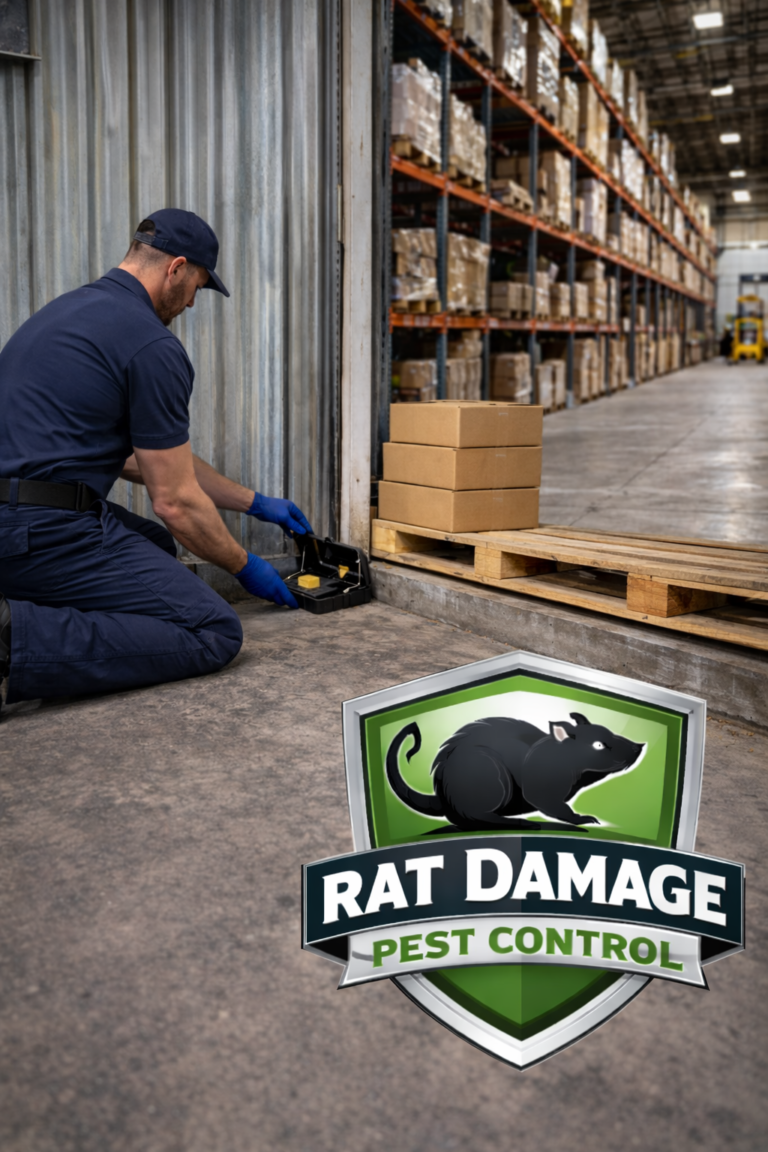
Dead Rat Removal in Bellingham, Washington
We are your trusted connection to Rodent Exterminators in Bellingham
The Unpleasant Reality of Dead Rats in Bellingham and How to Find Expert Removal
Discovering a dead rat in your Bellingham home, whether tucked away in the attic of a historic Victorian on Cornwall Avenue or within the crawl space of a newer build near Fairhaven, is a deeply unsettling experience. It’s not just the unpleasant odor that permeates your living space; it’s also the concern about potential health hazards and the underlying issue that allowed the rodent in the first place. For the approximately 87,071 residents of Bellingham and the surrounding Whatcom County communities, finding immediate and effective dead rat removal services is crucial for restoring peace of mind and the sanitary conditions of their property. This is where Rat Damage Pest Control steps in, serving as your trusted nationwide connection to qualified local exterminators who specialize in a swift and thorough resolution.
Understanding the Need for Professional Dead Rat Removal
While the initial instinct might be to tackle the task yourself, attempting to remove a dead rodent without the proper knowledge and protective gear can expose you to pathogens and parasites. Professional dead rat removal goes beyond simply disposing of the carcass. It involves a comprehensive approach to ensure your home is safe, clean, and protected from future infestations. Professionals are equipped to handle the sensitive nature of this task, minimizing health risks and addressing the source of the problem.
What Does Professional Dead Rat Removal Typically Involve
Expert exterminators, connected through services like Rat Damage Pest Control, approach dead rat removal with a systematic process designed for efficiency and safety. Their methods are tailored to the specific location of the carcass and the extent of any associated contamination.
* **Inspection and Location:** The first step involves a thorough inspection to accurately pinpoint the location of the deceased rodent. This might require accessing confined spaces like attics, basements, wall voids, or ventilation systems.
* **Safe Removal:** Using specialized tools and personal protective equipment (PPE), including gloves, masks, and coveralls, professionals will carefully remove the dead rat. This prevents direct contact and the potential spread of disease.
* **Deodorization and Cleaning:** Once the carcass is removed, the affected area will be thoroughly cleaned and disinfected. This is essential for eliminating lingering odors and eradicating any bacteria or viruses left behind.
* **Sanitization:** Professionals employ EPA-approved disinfectants to sanitize affected surfaces and materials, ensuring a hygienic environment.
* **Odor Control:** Persistent odors are a common concern. Technicians often use specialized deodorizing agents and treatments to neutralize unpleasant smells completely.
* **Sealing Entry Points:** A critical part of the service involves identifying and sealing any potential entry points that rats might have used to gain access to your home. This proactive measure is vital for preventing future rodent problems.
Why Choose Professional Dead Rat Removal in Bellingham
Homeowners and businesses in Bellingham, with its mix of older, character-filled homes in neighborhoods like South Hill and more modern constructions, often face unique pest challenges. The Pacific Northwest climate, while beautiful, can also create favorable conditions for rodents seeking shelter. Engaging professional services offers several key benefits:
* **Health and Safety:** Professionals are trained to handle biohazards safely, protecting you and your family from potential diseases.
* **Thoroughness:** They ensure complete removal, sanitation, and deodorization, addressing all aspects of the problem.
* **Expertise:** Local exterminators have a deep understanding of common rodent species found in the Bellingham area and their behaviors.
* **Prevention:** They can identify and seal entry points, offering long-term solutions to prevent future infestations.
* **Time and Convenience:** Letting experts handle the task saves you valuable time and eliminates the stress of dealing with a difficult and unpleasant situation.
Rat Damage Pest Control Your Connection to Local Expertise
Dealing with dead rodents is a task no one wants to face. Rat Damage Pest Control understands the urgency and distress associated with such situations. As a trusted nationwide connection service, we are dedicated to bridging the gap between individuals in need and highly qualified local exterminators. In Bellingham, Washington, and across Whatcom County, we help connect you with professionals who are experienced, licensed, and equipped to handle all aspects of dead rat removal and the underlying rodent issues. We value transparency, reliability, and effective solutions, ensuring that when you seek assistance through us, you are paired with a service provider committed to restoring the safety and comfort of your home or business.
Frequently Asked Questions About Dead Rat Removal in Bellingham
Q1 How quickly can a dead rat be removed from my Bellingham property?
Local exterminators connected through Rat Damage Pest Control typically prioritize urgent requests. Depending on availability and your location within Bellingham or surrounding areas, same-day or next-day service is often possible. The sooner you contact us, the faster we can connect you with a professional.
Q2 What areas in Whatcom County do dead rat removal services cover?
The exterminators we connect you with serve all of Whatcom County, including Bellingham, Lynden, Ferndale, Birch Bay, Sumas, and rural surrounding areas. Our goal is to ensure that residents and businesses in various parts of the region have access to prompt and effective rodent removal solutions.
Q3 Are there any health risks associated with finding a dead rat, and how do professionals mitigate them?
Yes, dead rodents can carry diseases and parasites that pose health risks to humans and pets through direct contact or airborne particles. Professionals mitigate these risks by using comprehensive personal protective equipment (PPE), employing specialized cleaning and disinfection protocols with appropriate agents, and utilizing deodorizing treatments to neutralize any lingering pathogens and odors, ensuring a safe environment.