Dead Rat Removal in Palm Harbor, Florida
We are your trusted connection to Rodent Exterminators in Palm Harbor
The Unpleasant Reality of Dead Rat Removal in Palm Harbor
Finding a dead rat in your Palm Harbor home or business can be a deeply unsettling experience. Beyond the immediate shock and discomfort, a deceased rodent poses significant health risks and can attract other pests. As a beloved community on Florida’s stunning Gulf Coast, the city of Palm Harbor, with its approximately 61,995 residents, boasts beautiful homes and a pleasant climate, but unfortunately, this inviting environment can also attract unwelcome rodent visitors. When you’re faced with this unpleasant situation, knowing where to turn for professional assistance is crucial. That’s where Rat Damage Pest Control steps in. We act as your trusted nationwide connection service, dedicated to linking you with highly qualified local exterminators right here in Palm Harbor and the surrounding areas of Pinellas County.
Understanding the Need for Professional Dead Rodent Disposal
While the idea of removing a deceased rodent yourself might seem like a quick fix, it’s often not recommended. Dead rats can carry diseases and their decomposition can release potent odors that permeate your property. Professionals possess the knowledge, protective gear, and specialized tools necessary to handle these situations safely and effectively, minimizing your exposure to potential health hazards and ensuring thorough removal and sanitation.
How Local Experts Handle Dead Rat Issues
When you connect with a professional exterminator through Rat Damage Pest Control, you can expect a systematic and comprehensive approach to dead rat removal. The process typically involves several key steps, executed by experienced technicians who understand rodent behavior and the specific challenges presented in a place like Palm Harbor, with its diverse housing styles ranging from coastal bungalows to larger family homes.
The Typical Pest Control Process
- Identification and Location: The exterminator will work to pinpoint the exact location of the deceased rodent. This might involve inspecting attics, crawl spaces, wall voids, basements, and other areas where rats commonly seek shelter.
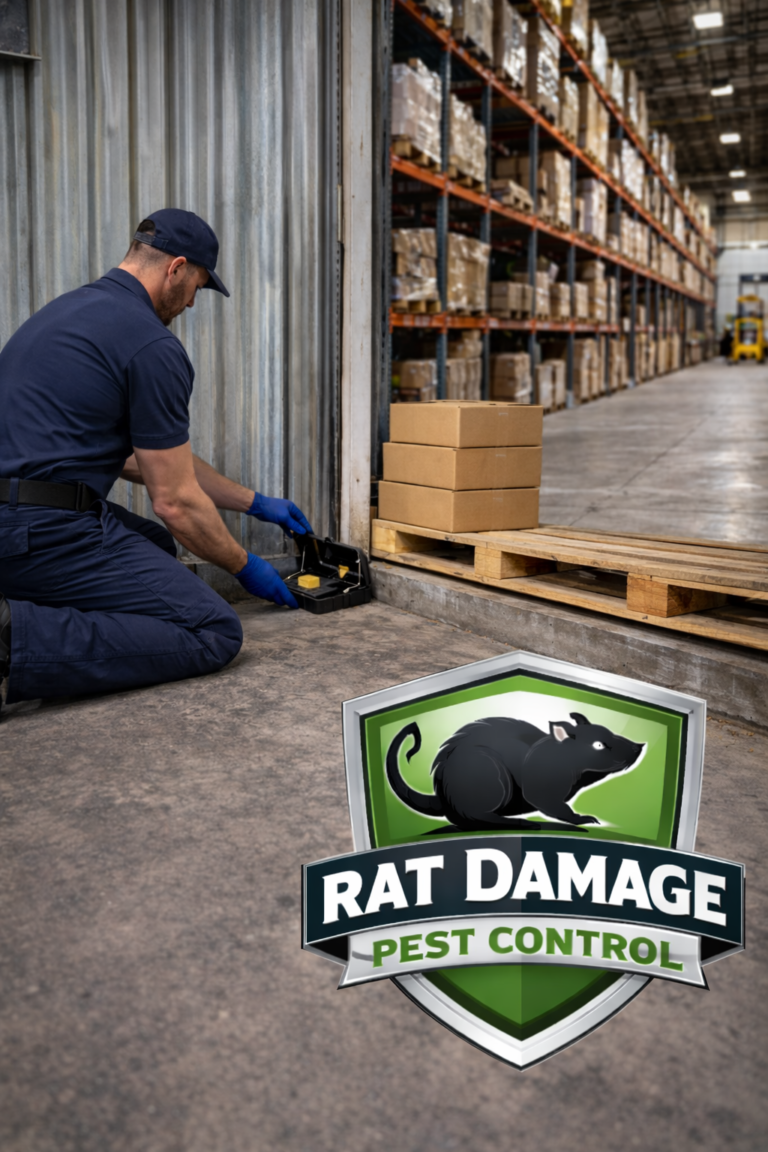
- Safe Removal: Using appropriate personal protective equipment (PPE), including gloves, masks, and coveralls, the professional will carefully remove the carcass.
- Deodorization and Disinfection: Once the rodent is removed, the affected area will be thoroughly cleaned, disinfected, and deodorized. This is critical for eliminating lingering odors and neutralizing any harmful bacteria or pathogens.
- Preventative Measures: To prevent future occurrences, the exterminator will also assess your property for entry points and recommend or implement rodent-proofing strategies. This might include sealing cracks and crevices, repairing damaged screens, and advising on waste management practices.
Materials and Methods Employed
Local Pest exterminators often utilize a combination of specialized cleaning agents, disinfectants, odor neutralizers, and sometimes enzyme-based cleaners to break down organic matter. For removal, they’ll use tools like tongs, shovels, and designated biohazard collection bags. In some cases, if the odor is particularly stubborn, they might employ fogging treatments or air purification systems.
Why Choose Professional Dead Rat Disposal in Palm Harbor
Residents and businesses in Palm Harbor choose professional dead rat removal for several compelling reasons, especially considering the humid Florida climate that can accelerate decomposition and spread odors.
Key Benefits for Homeowners and Businesses
- Health and Safety: The most significant benefit is the protection of your health. Professionals are trained to handle biohazards safely.
- Odor Elimination: Decomposition odors can be incredibly persistent and unpleasant. Experts have the means to fully neutralize these smells, restoring a healthy living environment.
- Peace of Mind: Knowing that the problem has been handled competently and safely by trained professionals brings immense relief.
- Preventing Recurrence: Effective rodent exclusion is a vital part of the service, helping to stop the problem from reoccurring in your Palm Harbor property.
Rat Damage Pest Control Your Nationwide Connection
At Rat Damage Pest Control, we understand that dealing with rodent issues can be stressful. Our mission is to simplify this process for you. We are a trusted nationwide connection service that partners with a vast network of experienced and licensed exterminators across the United States. For residents and businesses in Palm Harbor, Florida, and throughout Pinellas County, we act as your gateway to finding reliable, local professionals ready to tackle your dead rat removal needs. We meticulously vet our partners to ensure they offer high-quality, effective, and humane pest control solutions.
Frequently Asked Questions About Dead Rat Removal
What are the biggest health risks associated with a dead rat in my home in Palm Harbor?
The primary health risks stem from the potential presence of diseases like Leptospirosis and Hantavirus, which can be transmitted through contact with the rodent’s bodily fluids or droppings. Decomposition odors can also aggravate respiratory conditions.
How long does it typically take for a professional to remove a dead rat?
The removal itself is usually quick, often taking less than an hour. However, the entire process, including inspection, cleaning, disinfection, deodorization, and initial prevention advice, might take a few hours depending on the complexity and accessibility of the deceased rodent’s location.
Are there specific types of homes in Palm Harbor that are more prone to rat infestations leading to dead rodents?
While rats can be found in any home, older homes with potential entry points in the foundation or roof, properties near water sources, and homes with accessible food sources (like poorly stored garbage) can be more susceptible. The lush landscaping and warmer climate common in Palm Harbor can also be contributing factors.