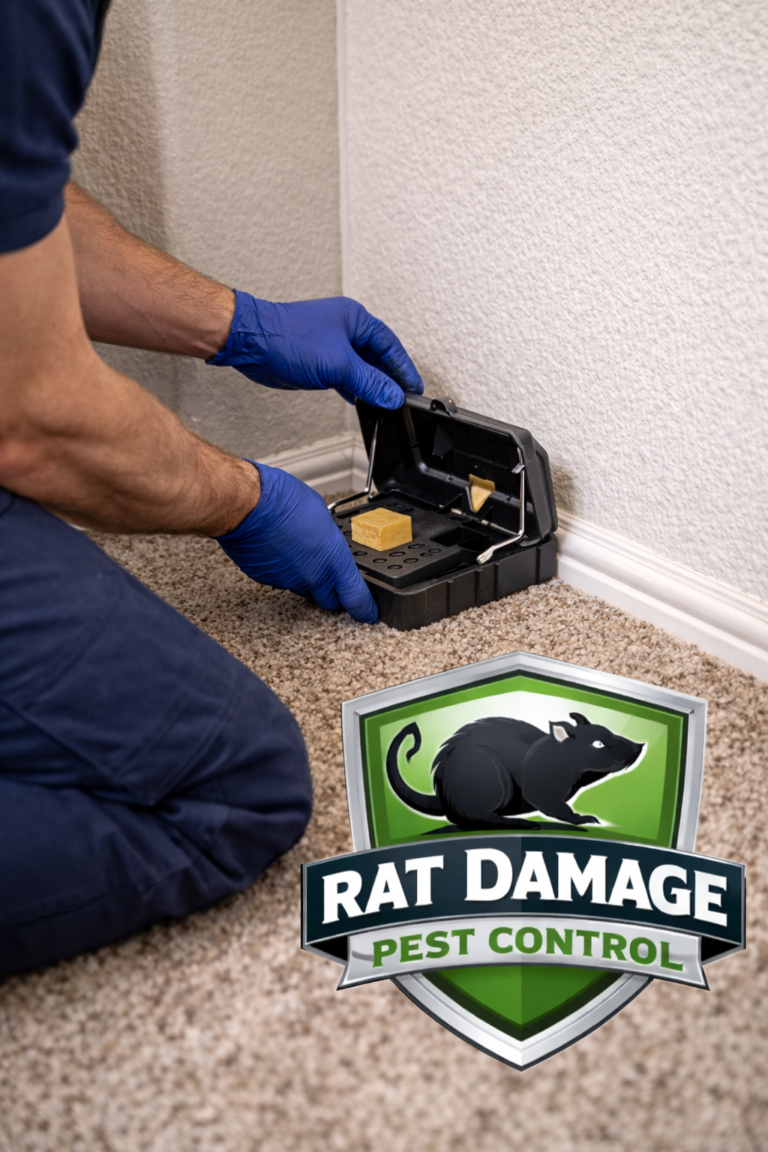
Dead Rat Removal in Hot Springs National Park, Arkansas 

We are your trusted connection to Rodent Exterminators in Hot Springs National Park

Free Nationwide Connection Service

Dead Rat Removal in Hot Springs National Park, Arkansas

Professional rodent control and pest removal services. Speak with local specialists in Hot Springs National Park to discuss service plans and provider availability.

Inspections Identify Entry
Local Experts Fast Response
Call 1-877-514-1785
Professional Rodent Control Connection Service

Uncovering the Unseen The Necessity of Expert Dead Rat Removal in Hot Springs National Park Arkansas

Living in or operating a business within the picturesque landscape of Hot Springs National Park, Arkansas, allows residents to enjoy the natural beauty and rich history our charming city offers. With a population of approximately 35,193, Hot Springs is a vibrant community, known for its therapeutic waters and the stunning Ouachita Mountains framing our surroundings. However, even in such a desirable locale, the presence of unwanted guests, particularly deceased rodents, can become a significant concern. While the idea of dealing with a dead rat might seem straightforward, the reality often involves health hazards, unpleasant odors, and the potential for further infestation. This is where finding reliable, expert dead rat removal services becomes paramount, ensuring your home or business remains a healthy and sanitary environment.

The Silent Invaders And The Lingering Problem of Deceased Rodents

Rodents, including rats, are common throughout many residential and commercial areas, and Hot Springs National Park is no exception. Their ability to navigate through small openings and seek shelter in walls, attics, crawl spaces, and even basements makes them a persistent challenge for homeowners in various architectural styles prevalent in our area, from historic downtown buildings to more modern homes in neighborhoods like Lake Hamilton or the Gulpha Gorge. When these unwanted visitors meet their demise within your property, the consequences extend beyond the initial shock. Decomposing rodents release noxious odors that can permeate your living or working spaces, creating an unbearable atmosphere.

Why You Need Professional Dead Rat Removal Services

Attempting to handle the removal of a deceased rat yourself can expose you and your family to a range of health risks. Rodents are known carriers of various diseases and parasites, and their carcasses can harbor bacteria and pathogens. Professional pest control technicians are equipped with the necessary protective gear, specialized tools, and the knowledge to safely and effectively remove dead rodents, disinfect the affected area, and importantly, address the underlying cause of the infestation to prevent future occurrences. For residents and businesses in and around Hot Springs National Park, including neighboring communities in Garland County, partnering with experts is the most responsible approach.

Rat Damage Pest Control Your Nationwide Connection to Local Expertise

Navigating the world of pest control can be daunting. That’s where Rat Damage Pest Control steps in. We serve as a vital nationwide connection service, dedicated to linking customers like you in Hot Springs National Park and countless other regions with thoroughly vetted, highly qualified local exterminators who specialize in dead rat removal and comprehensive rodent pest control. Our mission is to streamline the process, ensuring you connect with reputable professionals who understand the specific challenges and regional factors that may contribute to rodent issues in areas like Hot Springs.

How Local Professionals Tackle Dead Rat Removal

When you connect with a local expert through Rat Damage Pest Control, you can expect a systematic and professional approach to dead rat removal. While specific methods may vary slightly depending on the location of the deceased animal and the extent of the problem, the core process generally involves several key steps:

  • **Inspection and Identification:** The exterminator will conduct a thorough inspection of your property to locate the deceased rodent, identify entry points, and assess any potential signs of a larger infestation.
  • **Safe Removal:** Using specialized tools and personal protective equipment (PPE), including gloves, masks, and respirators, the technician will carefully remove the deceased rodent to prevent further contamination.
  • **Deodorization and Disinfection:** Once the rodent is removed, the affected area will be thoroughly cleaned, disinfected, and deodorized to eliminate lingering odors and kill any harmful bacteria or pathogens. This is crucial for restoring a healthy environment.
  • **Sanitization and Waste Disposal:** Proper sanitization of the removal site and the safe, hygienic disposal of the deceased rodent and any contaminated materials are paramount.
  • **Prevention Strategies:** Beyond removal, the professional will advise on and implement strategies to prevent future rodent intrusions. This may include sealing entry points, recommending exclusion methods, and discussing ongoing maintenance.

Common Materials and Methods Employed

Local exterminators often utilize a range of effective products and techniques. These can include industrial-grade disinfectants, sanitizers, and enzymatic cleaners designed to break down organic matter and neutralize odors. For removal, specialized tools like grabbers, traps (if the rodent is still alive and needs containment), and containment bags are standard. In cases where rodents have perished within wall cavities or hard-to-reach areas, technicians might employ specialized equipment to access and remove the carcass safely.

Key Benefits of Professional Intervention

Choosing professional dead rat removal offers numerous advantages:

  • **Health and Safety:** Eliminates exposure to diseases and pathogens associated with decomposing rodents.
  • **Odor Elimination:** Effectively removes unpleasant odors, restoring a fresh and clean environment.
  • **Pest Prevention:** Identifies and addresses the root causes of infestations, preventing future problems.
  • **Peace of Mind:** Ensures the job is done correctly and safely, giving you confidence in your home or business’s health.
  • **Time and Effort Saved:** Frees you from the unpleasant and potentially hazardous task.

Why Choose Rat Damage Pest Control for Your Needs in Hot Springs National Park

Rat Damage Pest Control is committed to simplifying your search for reliable pest management solutions. We understand that when you’re faced with the unpleasant reality of a dead rat, you need prompt and efficient assistance. By connecting you with experienced, local exterminators throughout Hot Springs National Park and the wider Garland County area, we leverage our extensive network to ensure you receive the highest quality service. Our focus is on providing access to professionals who are not only skilled in dead rat removal but are also dedicated to delivering effective, long-term pest control strategies. We pride ourselves on our broad coverage and our unwavering commitment to connecting you with the best in the business for rodent solutions.

Frequently Asked Questions About Dead Rat Removal in Hot Springs

How long does it take to remove a dead rat and sanitize the area?

The timeframe for dead rat removal and subsequent sanitization can vary depending on the location and accessibility of the deceased rodent. Typically, a professional pest control technician can complete the removal and initial disinfection within one to a few hours. However, if extensive cleaning or structural repairs are needed, the process might take longer.

What are the health risks associated with a dead rat in my home?

Deceased rodents can pose several health risks, including the potential transmission of diseases such as leptospirosis, salmonellosis, and hantavirus through direct contact with the carcass or its fluids, or by inhaling airborne particles. They can also attract other pests and insects, exacerbating sanitation concerns.

Are there specific considerations for dead rat removal in older homes in Hot Springs National Park?

Yes, older homes in areas like Hot Springs National Park, particularly those with original construction, often have more numerous and varied entry points for rodents within their existing infrastructure, such as gaps in foundations, older sealants, or less insulated attics. Professionals will need to be particularly thorough in their inspection to identify all potential access points and may recommend more robust exclusion methods to prevent future intrusions. The presence of asbestos or lead paint in older structures also requires extra caution from removal technicians during disinfection and clean-up processes.

Experienced local contractors delivering Dead Rat Removal services in Hot Springs National Park, Arkansas

Nearby Service Areas

Additional Services in Hot Springs National Park

Dead Rat Removal in Hot Springs National Park, Arkansas

At a glance: Dead Rat Removal in Hot Springs National Park, Arkansas. Housing mostly from ~1983. 3,036 heating degree days/yr (seasonal indoor pressure). Typical cost: $150–$450 to locate, remove, and deodorize a dead rodent — more when it is sealed inside a wall or floor cavity.

A rodent problem in the Hot Springs National Park area is rarely just a nuisance — they chew, contaminate, and nest, and the damage adds up fast. Much of the Hot Springs National Park area's housing dates to around 1983, and aging construction leaves the foundation gaps, worn vents, and utility penetrations rats exploit to get inside. the Hot Springs National Park area's real winter cold (around 3,036 heating degree days a year) sends rats indoors each fall as temperatures drop, concentrating infestations in the cooler months.

What rats destroy in Hot Springs National Park homes

Once inside, rats cause real, costly damage in the Hot Springs National Park area homes: they gnaw constantly to wear down their teeth, and chewed electrical wiring is a leading, under-recognized cause of house fires. They shred insulation and stored belongings for nesting, gnaw through drywall, pipes, and even softer structural wood, and foul attics, wall voids, and pantries with urine and droppings that soak into insulation and subfloor. A small entry today becomes a costly repair later — which is why removal and permanent exclusion beat one-off trapping.

Hot Springs National Park rodent warning signs

The clearest signs of rats in the Hot Springs National Park area homes: fresh droppings along baseboards and near food, gnaw marks on wood, wiring, and packaging, dark grease rub-marks where they travel walls, scratching or scurrying inside walls and ceilings at night, shredded-paper or insulation nests, and a lingering musky ammonia smell. The sounds and smell usually appear before you ever see one.

How Dead Rat Removal works in Hot Springs National Park

Dead rodent removal starts by pinpointing the source of the odor — often inside a wall, under a floor, or in ductwork — then safely removing the carcass, cleaning and disinfecting the area, and treating for the flies and odor that follow. A thorough job also finds how the animal got in, so the next one does not repeat it.

Why rodents are a health hazard in Hot Springs National Park

The health stakes are real: rats spread hantavirus, salmonella, and leptospirosis through droppings and urine, their waste triggers asthma and allergies, and they carry fleas and ticks indoors. Cleanup of heavily soiled areas should be done with proper protection, not a household vacuum that can aerosolize contaminants.

Common questions

How much does Dead Rat Removal cost in Hot Springs National Park?

Generally, $150–$450 to locate, remove, and deodorize a dead rodent — more when it is sealed inside a wall or floor cavity. The final number depends on how far the infestation and any damage have spread in your Hot Springs National Park property.

Can you find a dead rodent in the wall in Hot Springs National Park?

Most Hot Springs National Park calls are handled same or next day; locating a carcass sealed in a wall takes longer but is worth it — the odor and flies will not clear until it is removed and the area disinfected.

Is my Hot Springs National Park landlord responsible for rodents?

Structural gaps — foundation cracks, unscreened vents, worn door sweeps — are building-maintenance issues, so Arkansas habitability law almost always makes the landlord responsible for sealing entry points and arranging removal when the tenant did not cause the problem. Put every notice in writing.

Can you match me with a local Hot Springs National Park exterminator?

Contact Rat Damage — a free service that connects you to a vetted local Hot Springs National Park rodent-control and exclusion specialist.

Local Climate & Dead Rat Removal Pressure — Garland County

EPA air-quality monitoring for Garland County (2023) shows a median AQI of 47 — a useful proxy for the heat and air-stagnation that drive pest cycles. Unlike insects, rodents are driven indoors more by seasonal cooling than by heat — but the same long warm season that boosts insect populations also extends rodents' outdoor food supply and breeding, producing larger fall populations that seek shelter as temperatures drop. Exclusion (sealing entry points) is the lasting control. Source: U.S. Environmental Protection Agency, Air Quality System (AQS) Annual AQI by County, 2023.

Looking for Dead Rat Removal in Hot Springs National Park? Rat Damage connects you with vetted local pros who know these conditions — connecting is free.

Call Now 1-877-514-1785