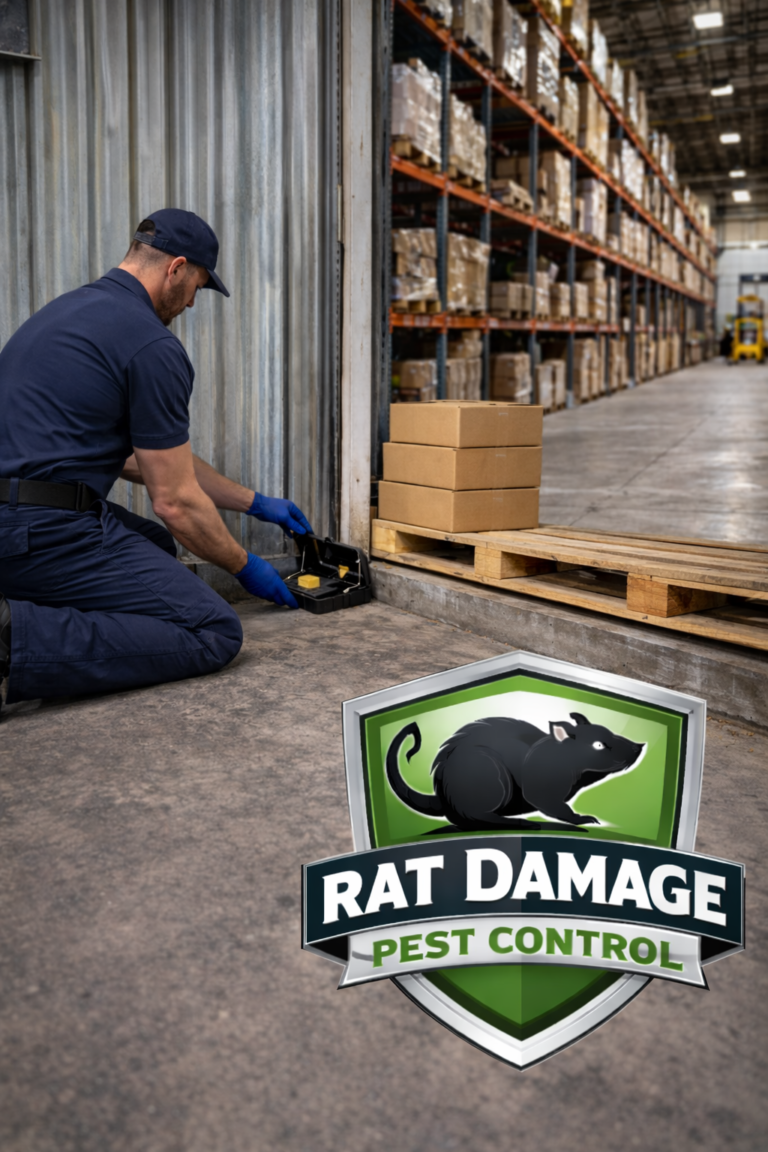
Rat Exterminator in Seattle, Washington
Quick facts: Rat Exterminator in Seattle, Washington. Housing mostly from ~1973. 5,999 heating degree days/yr (seasonal indoor pressure). Typical cost: $200–$600 for trapping and removal, plus roughly $400–$1,500 for full exclusion (permanently sealing every entry point) on a typical home.
Rats and mice in Seattle do more than startle you — they chew, contaminate, and nest, and the damage adds up fast. A large share of Seattle's housing dates to around 1973, and older construction leaves the foundation gaps, worn vents, and utility penetrations rats exploit to get inside. Long, cold winters in Seattle (about 5,999 heating degree days a year) drive an especially strong fall push of rats indoors, so the weeks before the first freeze are the critical window to seal up.
What rats destroy in Seattle homes
Left unchecked, rats cause real, costly damage in Seattle homes: they gnaw constantly to wear down their teeth, and chewed electrical wiring is a leading, under-recognized cause of house fires. They shred insulation and stored belongings for nesting, gnaw through drywall, pipes, and even softer structural wood, and foul attics, wall voids, and pantries with urine and droppings that soak into insulation and subfloor. What starts as a few droppings can end in rewiring and insulation replacement — which is why removal and permanent exclusion beat one-off trapping.
Seattle rodent warning signs
Telltale signs of rats in Seattle homes: fresh droppings along baseboards and near food, gnaw marks on wood, wiring, and packaging, dark grease rub-marks where they travel walls, scratching or scurrying inside walls and ceilings at night, shredded-paper or insulation nests, and a lingering musky ammonia smell. You will often hear or smell them before you see one.
How Rat Exterminator works in Seattle
Effective Rat Exterminator in Seattle works in a set order: a full inspection to map entry points and nesting sites, exclusion first — sealing every gap wider than a quarter inch around pipes, vents, and the foundation — then trapping and removal of the active population, followed by clean-out and disinfection of nesting material and droppings to erase the scent trails that draw new rodents back.
Why rodents are a health hazard in Seattle
The health stakes are real: rats spread hantavirus, salmonella, and leptospirosis through droppings and urine, their waste triggers asthma and allergies, and they carry fleas and ticks indoors. Cleanup of heavily soiled areas should be done with proper protection, not a household vacuum that can aerosolize contaminants.
Common questions
How much does Rat Exterminator cost in Seattle?
Generally, $200–$600 for trapping and removal, plus roughly $400–$1,500 for full exclusion (permanently sealing every entry point) on a typical home. The final number depends on how far the infestation and any damage have spread in your Seattle property.
Is exclusion worth it in Seattle?
Yes — trapping alone only removes the rodents present now. Permanent exclusion (sealing every gap around pipes, vents, and the foundation) is what stops new rats from re-entering, which is why it is the core of lasting control in Seattle.
Is my Seattle landlord responsible for rodents?
Structural gaps — foundation cracks, unscreened vents, worn door sweeps — are building-maintenance issues, so Washington habitability law almost always makes the landlord responsible for sealing entry points and arranging removal when the tenant did not cause the problem. Put every notice in writing.
Can you match me with a local Seattle exterminator?
Contact Rat Damage — a free service that connects you to a vetted local Seattle rodent-control and exclusion specialist.
Local Climate & Rat Exterminator Pressure — King County
EPA air-quality monitoring for King County (2023) shows a median AQI of 46 with 1 days rated Unhealthy or worse — a useful proxy for the heat and air-stagnation that drive pest cycles. Unlike insects, rodents are driven indoors more by seasonal cooling than by heat — but the same long warm season that boosts insect populations also extends rodents' outdoor food supply and breeding, producing larger fall populations that seek shelter as temperatures drop. Exclusion (sealing entry points) is the lasting control. Source: U.S. Environmental Protection Agency, Air Quality System (AQS) Annual AQI by County, 2023.
Looking for Rat Exterminator in Seattle? Rat Damage connects you with vetted local pros who know these conditions — connecting is free.

